




Get Out, Log Off: The Case for a Digital Detox in Nature

Your inbox will still be there when you get back. The notifications, the group chats, the scroll that goes nowhere: all of it will patiently wait. The mountains, on the other hand, are right there. Right now. Asking nothing from you except to show up.
People have been retreating to wild places to think, breathe, and just exist for as long as there have been people. The outdoors does something for your head that no app, meditation subscription, or productivity hack can replicate. A digital detox in nature just works. And it’s free.
Why Nature Is the Best Place for a Digital Detox
You already know how you feel after an hour in the mountains versus an hour on your phone. It’s not close.
The problem? We bring the phone with us. We take the photo, post the photo, check the likes, and suddenly we’re not in the mountains anymore. We’re back in the feed. Airplane mode, phone in the pack. That’s the whole game.
How to Actually Do It
Good intentions don’t survive the first buzz. A few tricks that work:
- Download your map, then go airplane mode. You’ll still have navigation, minus the temptation.
- Pick a time, not a forever. Two phone-free hours beats a “detox” you abandon at the trailhead.
- Tell someone your plan. It’s the safety move, and it means nobody panics when you don’t text back.
- Take one photo, then put it away. One. For you. Post it tomorrow.
- Bring a buddy who’s in on it. Peer pressure works both ways.
Read a Book Outside (Actually Read It)
There’s something wonderful about reading a real book outdoors. No notifications. No links pulling you sideways. Just a story and the sound of wind in the trees or water over rocks.
Find a spot that takes a little effort to reach: a boulder above a creek, a meadow after a short hike, a shady spot by an alpine lake. The effort creates a natural gap from everyday life. Bring the book you’ve been meaning to read for six months. You know exactly which one.
Meditate Without the App
You don’t need a guided session or noise-canceling headphones. You need somewhere beautiful and a few deep breaths. Find a view. Sit down. Soften your gaze. Feel the sun or the wind on your face. Listen to the birds, the water, the wind, your own breath slowing down. The mountains were doing this long before there was an app for it.
Move Slowly on Purpose
Not every outing needs to be a workout. Sometimes the most restorative thing you can do is walk slowly with nowhere to be. No pace goal, no elevation target, no tracking. Some of the best thinking happens on slow walks. Problems that felt impossible at a desk untangle themselves on a trail, and things that seemed urgent stop seeming urgent.
Some Good Spots for a Digital Detox in Nature
- The Grottos, east of Aspen: smooth granite, river sounds, natural nooks made for settling in.
- The Fryingpan River above Basalt: quiet, beautiful, and easy to find your own stretch.
- Kebler Pass in the fall: pull over anywhere in the aspens and just sit with it.
- Redstone: walk the river trail, find a bench, and stay as long as you want.
- Anywhere with your dog: they’re excellent at being present. Here’s where to hike with your dog in the Roaring Fork Valley.
Want more trail ideas? Our guide to trail magic in the Roaring Fork Valley is full of them. And if you’d rather unplug in warm water, the hot springs near the Roaring Fork Valley are a phone-free zone by nature.
What to Bring (Hint: Not Much)
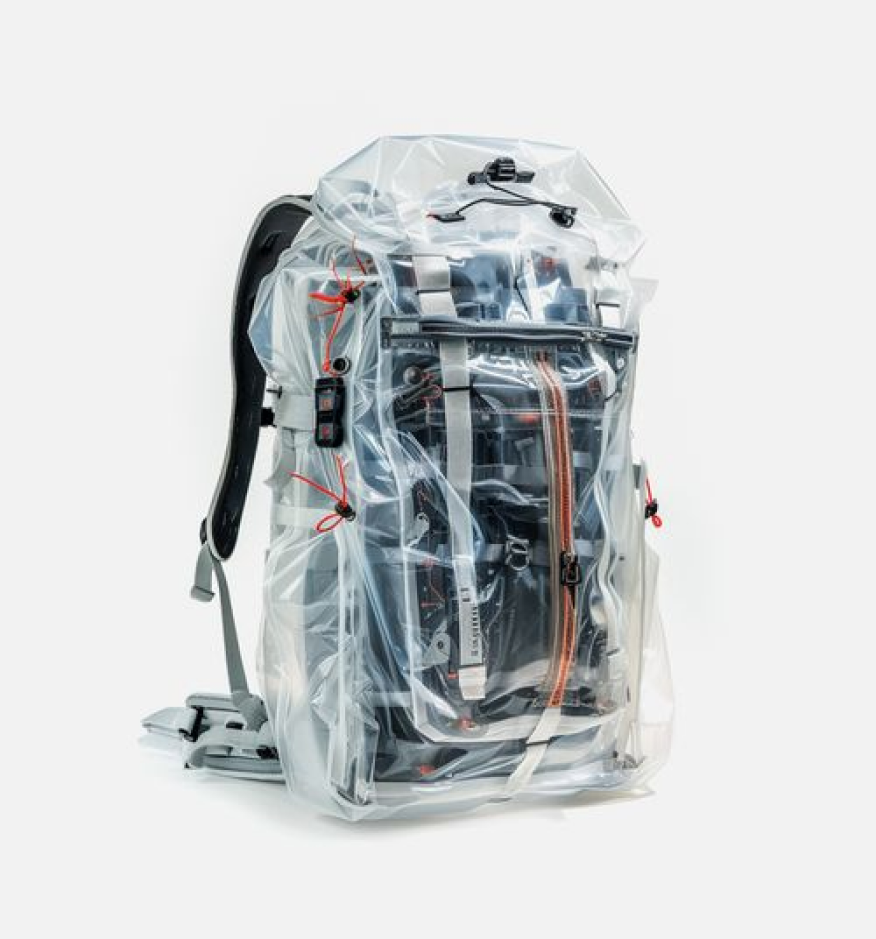
A day pack for your book and snacks, a Wide Mouth Water Bottle, and a cozy layer like the Halfdays Pieper Fleece for when you sit still longer than planned. You will.
The One Rule
Phone in your pack. Give yourself the actual gap. The real world will still be there when you get back. For a few hours, let the outside have your full attention. That’s a digital detox in nature, and it’s the best reset there is.
Embrace Your Outside, quietly.
Embrace Your Outside & Stay Wyld!


